Dairy Farm: How to Start, Breeds and Cost Basics
A dairy farm can give a farm family a steady daily income, because milk is sold every day and demand does not fall in a weak monsoon. It also demands daily labour, good feed planning and careful health management, and many first-time owners lose money in the first two years by buying the wrong animals or underestimating feed cost. This guide explains how to start a dairy farm in India, which breeds suit which conditions, how the costs are structured, what subsidy support exists and which risks to plan for.
We do not promise profit. Costs and milk rates differ by state, so use the worked method below with your own local numbers.
Quick answer: To start a dairy farm, choose cows or buffaloes, build a ventilated shed with drainage, secure year-round fodder, buy healthy milch animals with a vet’s check, set up a milk buyer, and insure the animals. Feed is commonly 60 to 70 percent of the cost of producing milk, so fodder planning decides profit more than any other step.
Key takeaways
- Start small, with a few animals, and learn feeding, breeding and milking before you scale up.
- Feed is the largest cost and is commonly estimated at 60 to 70 percent of milk production cost, so grow your own green fodder if you can.
- Choose the breed for your climate and buyer: Holstein Friesian crossbreds give more volume, while Murrah buffalo milk carries higher fat.
- The NABARD-backed Dairy Entrepreneurship Development Scheme offers a capital subsidy of 25 percent for general applicants and 33.33 percent for SC and ST applicants, subject to bank and scheme conditions.
- Insurance, vaccination and a vet on call protect you from the biggest losses.
सारांश (हिंदी): डेयरी फार्म शुरू करने से पहले नस्ल चुनें, हवादार शेड बनाएं, सालभर चारे की व्यवस्था करें, स्वस्थ दुधारू पशु पशु-चिकित्सक की जांच के बाद खरीदें और बीमा कराएं। दूध की लागत में चारे का हिस्सा आम तौर पर 60 से 70 प्रतिशत माना जाता है। डेयरी उद्यमिता विकास योजना में सामान्य वर्ग को 25% और SC/ST को 33.33% सब्सिडी का प्रावधान है।
Dairy farm models in India
Pick the model that fits your capital and time. Each has a different risk.
| Model | What it involves | Best for | Main risk |
|---|---|---|---|
| Small household unit | 2 to 5 animals, family labour | Beginners, small landholders | Low scale, price pressure |
| Commercial unit | 10 to 50 animals, hired help, own fodder | Farmers with capital and land | Feed cost, disease, labour |
| Dairy with processing | Milk plus curd, ghee, paneer | Experienced farmers with a local market | Licences, hygiene, marketing |
| Cooperative supply | Milk sold to a village dairy cooperative | Farmers wanting a steady buyer | Fixed rate set by the cooperative |
Cow or buffalo dairy farm
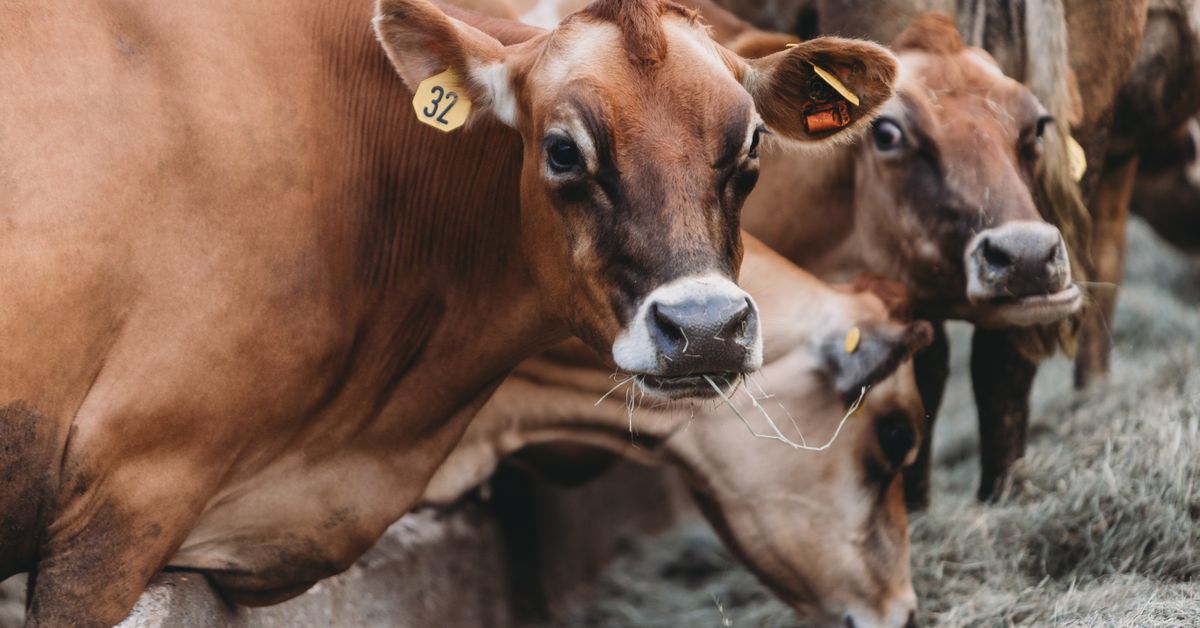
Cows give more volume per day in crossbred herds, while buffalo milk has higher fat and often earns a better price where milk is paid by fat content. Buffaloes suit regions with a strong tradition of buffalo milk and enough fodder. Cows suit areas where cow milk is in demand. Ask your local dairy or cooperative which milk it pays more for, then choose.
Breeds for a dairy farm
Breed choice affects milk volume, fat percentage, heat tolerance and disease resistance. The table gives well-known breeds and their general strengths. Actual yield depends on feed, care and genetics.
| Animal | Breed | General strengths |
|---|---|---|
| Cow (indigenous) | Gir, Sahiwal, Red Sindhi, Tharparkar, Rathi | Heat tolerant, hardy, lower input cost, lower volume |
| Cow (crossbred) | Holstein Friesian cross, Jersey cross | Higher volume, needs good feed and cooling |
| Buffalo | Murrah, Mehsana, Jaffarabadi, Surti, Nili-Ravi | High fat milk; Murrah is widely used for milk production |
Buy from a trusted source, ideally a government farm, a cooperative or a farmer with a milk record. Ask for the animal’s calving history and daily yield, and see it milked before you pay. Take a veterinarian along to check for mastitis, lameness and reproductive problems.
How to start a dairy farm step by step
- Visit working farms. Talk to two or three owners about real costs, problems and buyers.
- Write a budget. Include animals, shed, equipment, fodder, labour, medicine and a cash cushion for at least six months.
- Secure fodder first. Plan green fodder, dry fodder and concentrate for every month of the year.
- Arrange a buyer. Sign up with a cooperative or a private dairy before the milk starts.
- Build the shed. Use good ventilation, a non-slip floor, drainage, clean water and shade.
- Buy animals in stages. Start with a few, and add more after you are confident.
- Insure and vaccinate. Book insurance and set a vaccination calendar with your vet.
- Keep records. Track daily milk, feed, health events and breeding dates for every animal.
Shed and space planning
An adult cow generally needs about 3.5 square metres of covered space and about 7 square metres of open space, with a manger and clean water within reach. Keep the floor dry and slightly sloped, and give shade and airflow in summer. Overcrowding raises disease and lowers yield.
Dairy farm cost structure
We avoid fixed price lists because animal and construction prices vary widely by state and year. Use this structure to build your own budget with quotes from local sellers.
| Cost head | Type | How to estimate |
|---|---|---|
| Milch animals | One-time | Quotes from three sellers, including transport and insurance |
| Shed and fencing | One-time | Area per animal times number of animals, multiplied by local construction rate |
| Milking and cooling equipment | One-time | Dealer quotes; start with basic equipment |
| Fodder land and seed | Recurring | Area under fodder, seed, water and labour |
| Concentrate feed and minerals | Recurring, largest share | Quantity per litre of milk times local feed price |
| Labour, power, water | Recurring | Wages and electricity bills in your area |
| Veterinary and insurance | Recurring | Vet visit charges, vaccines and annual premium |
A simple way to test profit before you start
Use this method with your own local numbers. The figures here are only an example to show the arithmetic and are not a forecast.
- Daily milk income equals milking animals times average litres per animal per day times the milk price per litre.
- Daily cost equals feed, fodder, labour, power, medicine and loan interest divided by 30, per month.
- Break-even price equals total monthly cost divided by monthly litres sold.
For example, if 10 cows average 12 litres a day and your milk buyer pays ₹40 per litre, daily milk income is 10 times 12 times 40, or ₹4,800. Now subtract your real daily costs. If the result is zero or negative with your own local numbers, fix the plan before you start. Also remember that not all animals give milk all year, since cows rest for weeks before calving.
Dairy farm subsidy and loans
The Dairy Entrepreneurship Development Scheme, run through NABARD and banks, supports modern dairy units, heifer rearing and milk handling. A bank scheme page we reviewed lists a capital subsidy of 25 percent for general applicants and 33.33 percent for SC and ST applicants, loan repayment of 5 to 9 years, and mandatory animal insurance. Loan size follows NABARD unit costs, and margin money rules depend on the bank and the amount.
| Support | What it offers | What to check |
|---|---|---|
| Dairy Entrepreneurship Development Scheme | Back-ended capital subsidy through NABARD and banks | Current subsidy rates, unit cost, eligibility and bank margin rules |
| Bank dairy loan | Term loan for animals, shed and equipment | Interest rate, security and repayment period |
| Animal husbandry credit on KCC | Working capital for feed and care | Limit, rate and renewal terms at your bank |
| State and cooperative schemes | Animal purchase support, fodder seed, training | Local notices from the animal husbandry department |
Scheme rules change often. Confirm the latest terms with your bank and your district animal husbandry office before you commit.
Feed and fodder plan for a dairy farm
Feed decides profit, so plan it before you buy a single animal. A dairy cow’s ration combines green fodder, dry fodder, concentrate and minerals.
- Green fodder: Maize, sorghum, bajra and berseem are common choices. Match the crop to the season using our crop calendar and kharif season guide.
- Dry fodder: Wheat straw and paddy straw, stored dry under cover.
- Concentrate: Cattle feed made with maize, oilcakes and bran. Maize price swings affect your cost, so track them on Mandi Bhav Today.
- Minerals and clean water: Give a mineral mixture daily and keep water available at all times.
Our fertilizer calculator can help you plan nutrients for fodder plots.
Health, vaccination and insurance
Disease is the largest hidden cost in a dairy farm. Prevent it with a calendar made together with your vet.
- Vaccinate against foot-and-mouth disease, usually every six months, and against haemorrhagic septicaemia and black quarter as your vet advises. Female calves are commonly vaccinated against brucellosis between about 4 and 8 months of age.
- Deworm on schedule and control ticks and flies.
- Check udders for mastitis at every milking and keep milking hygiene strict.
- Isolate new or sick animals for at least two weeks.
- Insure every milch animal and keep the ear tag and papers safe.
Licences for a dairy farm
- Udyam registration for loans and schemes.
- FSSAI registration or licence if you sell milk or milk products directly.
- Panchayat or municipal permission for the shed.
- Pollution control consent for larger units, depending on state rules.
Common dairy farm mistakes
- Buying many animals at once without proven fodder or a buyer.
- Paying for animals without seeing them milked.
- Skipping insurance and vaccination to save a little money.
- Keeping no daily records of milk and cost.
- Ignoring heat stress in summer, which can cut milk and breeding results.
Dairy farm: is it right for you?
A dairy farm rewards patience, daily presence and good records. Start with a small herd, secure your fodder and your buyer, and measure your cost per litre every month. Use subsidies only after checking the current terms, and never borrow more than your plan can repay in a poor year.
For other business options, read our poultry farm guide, browse Farming Business Ideas, or return to the Harvest homepage.
Data note: subsidy and loan terms come from a bank scheme page based on NABARD guidelines and may change. Space norms, vaccination timing and feed share are general industry guidance, and the worked example is illustrative only. Confirm with your veterinarian, bank and district animal husbandry office. The Harvest is an independent information website and is not affiliated with any government body or bank.
Dairy farm: frequently asked questions
How do I start a dairy farm in India?
Visit working farms, write a budget, secure year-round fodder, line up a milk buyer, build a ventilated shed, buy healthy animals with a vet's check, and insure and vaccinate them. Start small and scale up.
How much does a dairy farm cost to start?
Cost depends on herd size, animals, shed and equipment, and prices vary by state. This guide gives a cost structure and a method to estimate your own budget from local quotes.
Which is better for a dairy farm, cow or buffalo?
Crossbred cows give more volume, while buffalo milk has higher fat and often earns more where milk is paid by fat. Ask your local dairy which milk it pays more for.
What subsidy is available for a dairy farm?
The Dairy Entrepreneurship Development Scheme, run through NABARD and banks, lists a capital subsidy of 25 percent for general applicants and 33.33 percent for SC and ST applicants. Check current rules with your bank.
What share of dairy cost is feed?
Feed is commonly estimated at 60 to 70 percent of the cost of producing milk, which is why a year-round fodder plan matters more than any other step.
Which vaccines do dairy animals need?
Vets commonly advise foot-and-mouth disease vaccination about every six months, plus haemorrhagic septicaemia and black quarter vaccines. Female calves are often vaccinated against brucellosis at about 4 to 8 months. Follow your vet's schedule.
Do I need a licence for a dairy farm?
You typically need Udyam registration for loans, local permission for the shed, and FSSAI registration or a licence if you sell milk or milk products directly. Larger units may need pollution control consent.