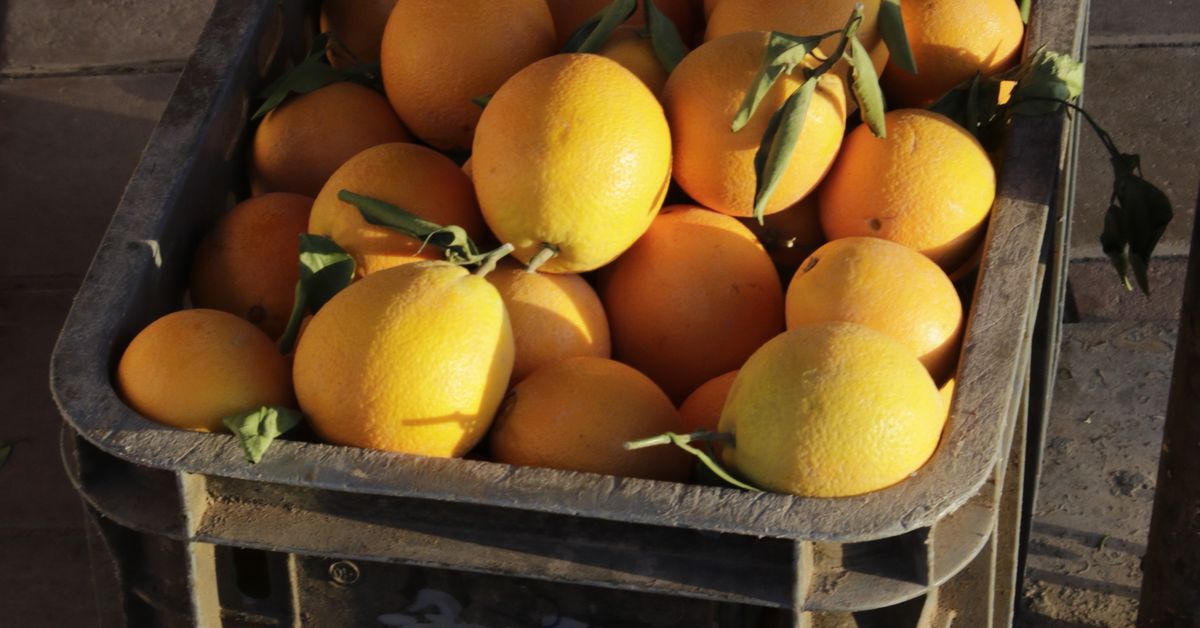
Winter Fruits in India: Full List with Hindi Names and Season
Winter fruits in India are the fruits that ripen or peak between October and February, when nights turn cool. Oranges, kinnow, guava, pomegranate, amla, sweet lime, custard apple and strawberries top the list, and apples and pears stay available from cold storage. Knowing the season helps you buy fresher fruit at a lower price, and it helps growers and traders time their sales.
This guide lists the main winter fruits with Hindi names, approximate peak months, growing regions and buying tips. Months vary by state and year, so treat them as a guide and not a fixed calendar.
Quick answer: The most popular winter fruits in India are orange (santra), kinnow, mosambi (sweet lime), guava (amrood), pomegranate (anar), amla, custard apple (sitaphal), pear (nashpati), strawberry and apple. Most peak between November and February, with Nagpur oranges running from October to April.
Key takeaways
- Citrus leads the winter season: Nagpur oranges run roughly October to April and peak from December to February.
- Kinnow, Punjab’s main orange, is picked mainly from mid-January to mid-February.
- Guava, amla and pomegranate all have winter harvests, and pomegranate has three crops a year.
- Apples and pears stay on shelves through winter because of cold storage, not because they ripen then.
- Seasonal fruit costs less and tastes better, so check the season before you buy.
सारांश (हिंदी): सर्दियों के प्रमुख फल हैं: संतरा, किन्नू, मौसंबी, अमरूद, अनार, आंवला, सीताफल, नाशपाती, स्ट्रॉबेरी और सेब। ज़्यादातर फल नवंबर से फरवरी के बीच सबसे अच्छे और सस्ते मिलते हैं। महीने राज्य और साल के हिसाब से बदल सकते हैं।
List of winter fruits in India with Hindi names
The table gives the English name, Hindi name, approximate peak season and the regions best known for each fruit. Use it as a shopping and planning guide.
| Fruit | Hindi name | Approximate peak | Known for growing in |
|---|---|---|---|
| Orange | Santra | October to April, peak December to February | Nagpur (Maharashtra) |
| Kinnow | Kinnu | Mid-January to mid-February | Punjab, Haryana, Rajasthan |
| Sweet lime | Mosambi | From about October through winter | Maharashtra, Andhra Pradesh, Telangana |
| Guava | Amrood | Winter crop, November to February | Uttar Pradesh, Gujarat, Madhya Pradesh |
| Pomegranate | Anar | Winter harvest roughly November to January | Maharashtra, Karnataka, Gujarat |
| Amla (Indian gooseberry) | Amla | About December to February | Uttar Pradesh, Rajasthan, Gujarat |
| Custard apple | Sitaphal | Post-monsoon into early winter | Maharashtra, Gujarat, Rajasthan |
| Pear | Nashpati | Harvested after monsoon; sold through winter | Himachal Pradesh, Punjab, Kashmir |
| Strawberry | Strawberry | Winter months | Mahabaleshwar (Maharashtra), Himachal Pradesh |
| Apple | Seb | Harvested July to October; stored fruit sells in winter | Kashmir, Himachal Pradesh, Uttarakhand |
| Papaya | Papita | Available all year, including winter | Many states |
| Ber (Indian jujube) | Ber | Late winter | Rajasthan, Uttar Pradesh, Haryana |
Seasons are approximate. They draw on horticulture and farm-board crop guidance, and local weather can shift them by weeks.
Winter fruits by season stage
- Early winter (October to November): custard apple, early mosambi, guava, pomegranate.
- Mid winter (December to January): oranges at peak, amla, strawberries, kinnow arrival.
- Late winter (January to February): kinnow harvest, ber, last of the oranges.
Citrus: the heart of winter fruits in India
Citrus dominates winter markets. Nagpur oranges come in two crops, the ambia bahar in early winter and the mrig bahar later, in February and March. Kinnow is a mandarin hybrid that Punjab and Haryana grow at scale, and it reaches markets across the country from January.
Mosambi, or sweet lime, starts arriving from about October and is a common choice for juice. Mosambi, orange and kinnow all supply vitamin C. The Harvest does not give medical advice, so talk to a doctor or dietitian if you need guidance for a health condition.
How to pick good citrus fruit
- Choose fruit that feels heavy for its size, because it holds more juice.
- Look for firm, smooth skin without soft spots.
- Do not judge ripeness by colour alone. Some oranges stay green-tinged when ripe.
- Store in a cool, airy place, or in the fridge for longer life.
Other popular winter fruits and why they matter
Guava (amrood)
Winter guavas are firmer and sweeter than monsoon guavas. Uttar Pradesh and Gujarat supply much of the winter crop. Guava is a good source of fibre and vitamin C, and it is cheap and widely available.
Pomegranate (anar)
Pomegranate is harvested in three bahars, so it is available for much of the year. The winter harvest, around November to January, is widely valued for its colour and taste. Look for heavy fruit with a hard, glossy rind.
Amla (Indian gooseberry)
Amla arrives in the colder months and is eaten fresh, as murabba, pickle and juice. It is one of the richest natural sources of vitamin C among Indian fruits.
Strawberry and apple
Strawberries grow in cooler hill areas such as Mahabaleshwar and parts of Himachal Pradesh, and they appear in city markets through winter. Apples are picked before winter and sold from cold storage, which is why their price often rises as stored stock thins out.
How to buy winter fruits at the right price
A little planning saves money. Fruit is cheapest when supply peaks and dearest at the start and end of a season.
- Buy at peak. Orange prices usually ease in December and January, when arrivals are heaviest.
- Compare markets. Wholesale mandis often charge less than neighbourhood shops.
- Check origin. Local fruit travels less and tends to be fresher.
- Buy by weight, not by count. Fruit sizes vary a lot.
- Avoid very cheap fruit. Unusually low prices can mean old stock or poor quality.
Common mistakes when buying winter fruits
- Paying peak prices at the start of the season.
- Buying more than you can eat before it spoils.
- Washing and storing fruit wet, which speeds up rot.
- Trusting colour alone, especially with artificially ripened fruit.
What winter fruit season means for growers and traders
For orchard growers, winter is the main selling window for citrus, guava and pomegranate. Prices move with arrivals, quality and weather. A cold wave or fog can damage flowering and fruit, and unseasonal rain can cause cracking and rot.
Traders also watch the vegetable side of the market. For field crops that follow the winter sowing calendar, see our crop calendar. For daily commodity rates, check Mandi Bhav Today. In a dry year like 2026, growers should also plan water use carefully, as our kharif season guide explains for the previous season.
Winter fruits in India: your quick plan
Winter fruits in India offer variety, flavour and good value if you buy in season. Start with oranges, guava and pomegranate in early winter, watch for kinnow and amla in January, and use stored apples and pears through the cold months. Check local prices and quality each week.
Find more fruit guides in our Seasonal Fruits section, or return to the Harvest homepage for farm and market updates.
Season months are approximate and vary by state, variety and weather. Nutrition information is general and not medical advice. The Harvest is an independent information website and is not affiliated with any government body.
Winter fruits in India: frequently asked questions
Which fruits are in season in winter in India?
Orange, kinnow, mosambi, guava, pomegranate, amla, custard apple, strawberry and ber are in season in winter. Apples and pears are sold from cold storage through the cold months.
What are the Hindi names of common winter fruits?
Orange is santra, sweet lime is mosambi, guava is amrood, pomegranate is anar, custard apple is sitaphal, pear is nashpati, apple is seb and Indian gooseberry is amla.
When is the orange season in India?
Nagpur oranges are available from about October to April and peak between December and February. Kinnow is picked mainly from mid-January to mid-February.
Is guava a winter fruit?
Yes. Guava has a winter crop, roughly November to February, and winter guavas are firmer and sweeter. Some states also produce guava in other seasons.
Are apples winter fruits?
Apples are harvested between July and October. They are sold through winter mostly from cold storage, so they are available in winter but do not ripen then.
Which winter fruits are rich in vitamin C?
Oranges, mosambi, kinnow, guava and amla are well known sources of vitamin C. This is general nutrition information and not medical advice.
How can I buy winter fruits at a lower price?
Buy when arrivals peak, compare wholesale and retail markets, choose local fruit, buy by weight and avoid unusually cheap fruit that may be old stock.
