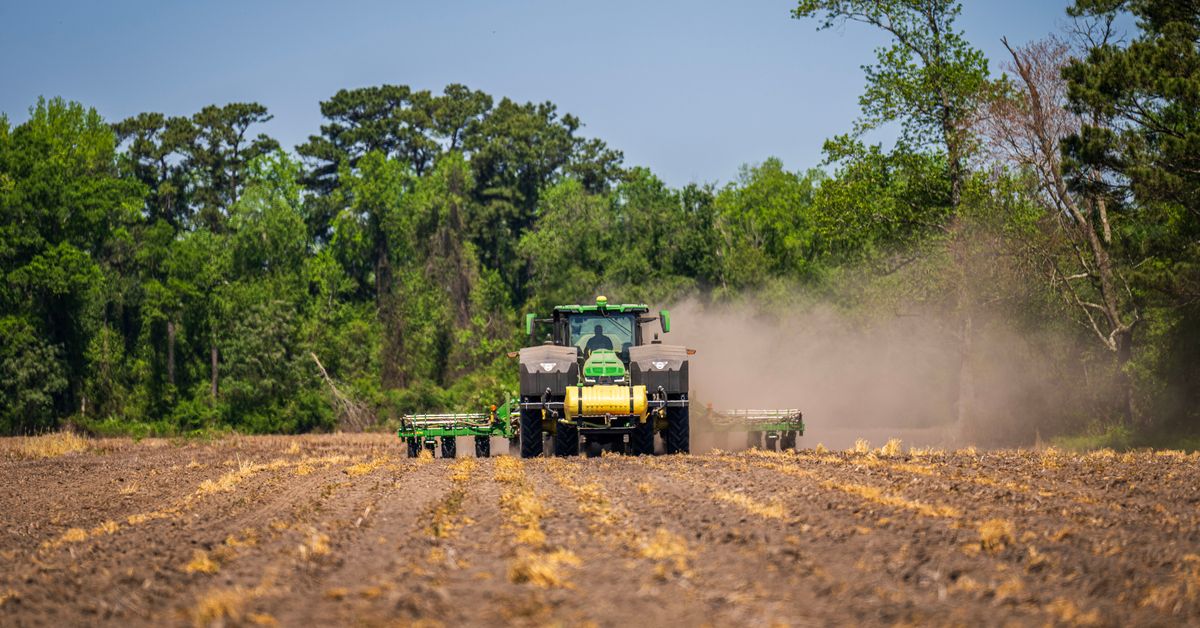
Rotavator: Types, Blades, HP Matching and Price in India
A rotavator is a tractor-mounted tillage machine with rotating blades that cut, mix and pulverise soil in one pass. It is powered by the tractor’s PTO (power take-off) shaft, and it turns a rough field into a fine seedbed far faster than a plough and harrow. Indian farmers use it before wheat, mustard, vegetables and paddy, and it is now one of the most common implements sold with mid-size tractors.
This guide explains how a rotavator works, the main types and blade shapes, how to match one to your tractor’s horsepower, what it costs, and how to avoid expensive buying mistakes.
Quick answer: A rotavator is a PTO-driven implement whose L-, C- or J-shaped blades rotate to break clods and mix residue. Typical widths run from 5 to 8 feet. Match the width and gearbox to your tractor: small models suit 15–30 HP tractors, and wide heavy-duty models need 60–80 HP or more.
Key takeaways
- A rotavator prepares seedbed in one or two passes, saving time and fuel against repeated ploughing.
- L-type blades suit soft to medium soil, C-type suit hard dry soil, and J-type suit wet or paddy soil.
- Choose width by tractor power. An oversized rotavator overloads the tractor and wastes diesel.
- Prices vary by brand, width and gearbox, and typical models start near ₹1.1 lakh.
- Overuse can harm soil structure, so use it where the field needs fine tilth.
सारांश (हिंदी): रोटावेटर ट्रैक्टर के PTO से चलने वाली मशीन है, जो एक-दो बार में खेत को बारीक भुरभुरी मिट्टी बना देती है। मिट्टी के हिसाब से L, C या J ब्लेड चुनें और ट्रैक्टर की हॉर्स पावर के अनुसार चौड़ाई तय करें। ज़रूरत से बड़ा रोटावेटर डीज़ल बर्बाद करता है।
How a rotavator works
The tractor’s PTO shaft sends power through a gearbox to a horizontal rotor. Blades are bolted to flanges on that rotor, and they spin as the tractor moves forward. The blades slice the soil, throw it against a rear shield, and drop it back as fine crumbs.
A leveling board at the back smooths the surface. The result is a loose, uniform seedbed that holds moisture and lets seedlings root quickly.
Rotavator parts you should know
- Gearbox: transfers power from the PTO to the rotor. Gear-drive units last longer under load than chain-drive units.
- Rotor and flanges: hold the blades in a spiral pattern.
- Blades: do the cutting. Shape decides the soil they suit.
- Rear shield and leveling board: control clod size and finish.
- Three-point hitch: attaches the machine to the tractor.
Types of rotavator blades
Blade shape matters more than most buyers expect. The wrong blade wastes power and gives a poor finish.
| Blade type | Best soil | Main use | Power need |
|---|---|---|---|
| L-type | Soft to medium soil | Fine seedbeds, mixing crop residue; common for wheat, mustard and vegetables | Lower |
| C-type | Hard, dry, compact soil | Deep tillage and breaking tough clods | Higher |
| J-type | Wet, sticky or waterlogged soil | Paddy puddling; resists clogging | Medium |
| Straight | Surface work | Weed cutting and levelling | Low |
Types of rotavator by drive and size
Machines differ by gearbox position and working width. Two gearbox styles dominate the market.
- Side-drive (side gear): the gearbox sits on one side. It is simpler and often cheaper.
- Centre-drive (centre gear): the gearbox sits in the middle. It balances load better and suits heavier work.
Width is sold in feet. Common sizes are 5, 6, 7 and 8 feet.
Rotavator and tractor HP: matching guide
Too much width for your tractor causes stalling, heavy fuel use and gearbox wear. Too little width wastes time. Use this table as a starting point, then confirm with the manufacturer’s specification sheet for your tractor model.
| Rotavator width | Typical tractor power | Good for |
|---|---|---|
| 4 to 5 feet | About 25 to 45 HP | Small farms, orchards, vegetables |
| 6 feet | About 40 to 55 HP | General field preparation |
| 7 feet | About 50 to 65 HP | Medium to large farms |
| 8 feet | About 60 to 80 HP | Large farms and contract work |
These ranges are typical industry matches and not strict rules. Soil type, blade count and depth change the real power demand. If you are unsure, pick the smaller width.
Rotavator price in India
Price depends on width, gearbox type, blade count and brand. Dealer listings in 2026 show popular multi-HP models from brands such as Farmpower in roughly the ₹1.1 lakh to ₹1.45 lakh range for tractors between 35 and 70 HP. Larger, heavy-duty machines cost more.
| Cost factor | Effect on price |
|---|---|
| Width (5 to 8 feet) | Each extra foot adds blades, rotor length and weight |
| Gearbox (gear vs chain) | Gear drive costs more but lasts longer |
| Blade count and steel quality | Boron steel blades cost more and wear slower |
| Brand and dealer network | Service access often justifies a higher price |
| State taxes and transport | Final price varies by state |
Treat these as indicative figures. Ask the dealer for an on-road quote in writing, and compare at least three. We do not publish exact model prices without a dated manufacturer source.
Financing and subsidy options
Many farmers buy a rotavator with a loan. Use the tractor EMI calculator to estimate monthly payments, and read our tractor loan EMI guide for how interest and tenure change the total cost.
State agriculture departments often give a subsidy on farm implements under the Sub-Mission on Agricultural Mechanization. Rates and eligibility differ by state and category, so check with your district agriculture office before you buy. Some states require you to buy from an approved dealer to claim the subsidy.
When to use a rotavator (and when not to)
A rotavator shines in some jobs and causes problems in others. A balanced view helps you protect your soil.
| Use it for | Avoid or limit it when |
|---|---|
| Fine seedbed before wheat, mustard and vegetables | The soil is very wet and sticky and the wrong blades are fitted |
| Mixing paddy or sugarcane residue into soil | You run it deep every season, which can form a compacted layer below |
| Puddling paddy fields (with suitable blades) | The field is on a steep slope prone to erosion |
| Quick turnaround between crops | The soil is rich in organic matter that needs gentle handling |
Agronomists warn that repeated deep rotary tillage can break soil structure and form a hardpan under the cutting depth. Rotate with other tillage methods when you can, and keep the depth only as deep as the crop needs.
How to choose the right rotavator
- Check your tractor HP and PTO speed. Match width to power using the table above.
- Know your soil. Pick L-type for loam, C-type for hard land, J-type for wet land.
- Inspect the gearbox. Prefer gear drive for heavy or daily use.
- Check blade quality. Look for hardened steel and easy replacement.
- Confirm service support. A nearby dealer with spare blades saves downtime.
- Test before buying. Ask for a field demonstration in your own soil.
Rotavator maintenance checklist
- Check blades for bending, chipping and dullness before each season.
- Grease bearings and check gearbox oil as the manual advises.
- Clean soil and crop residue after use to prevent rust.
- Tighten bolts and check the alignment of blades on the flanges.
- Store under cover with the hitch supported.
Rotavator and the rabi season
Wheat and mustard sowing is starting across north and central India. A rotavator prepares the seedbed in fewer passes, which helps farmers sow on time while soil still holds moisture. This matters more in a dry year, because every day of delay can cost yield. See crop prices in our Rabi MSP 2026-27 guide and timing in the crop calendar.
Rotavator: what to remember before you buy
A well-chosen rotavator saves time, fuel and labour, but only when it matches your tractor and soil. Pick the right blade, size the width carefully, compare dealer quotes and plan for maintenance. Use it thoughtfully so your soil structure stays healthy.
Explore more machinery topics in our Agriculture Equipment section, or return to the Harvest homepage for tools and daily updates.
Price ranges and power matches are indicative and vary by brand, state and dealer. Always confirm specifications with the manufacturer. The Harvest is an independent information website and is not affiliated with any government body or equipment brand.
Rotavator: frequently asked questions
What is a rotavator used for?
A rotavator is a tractor-mounted machine with rotating blades. It cuts, mixes and pulverises soil to make a fine seedbed in one or two passes, and it mixes crop residue into the soil.
What is the price of a rotavator in India?
Dealer listings in 2026 show popular models for 35 to 70 HP tractors in roughly the ₹1.1 lakh to ₹1.45 lakh range. Price depends on width, gearbox, blade quality, brand and state, so get written quotes from several dealers.
Which rotavator blade is best?
L-type blades suit soft to medium soil, C-type blades suit hard dry soil, and J-type blades suit wet or paddy soil. The best blade is the one that matches your soil.
How many HP tractor is needed for a rotavator?
Small rotavators suit tractors from about 15 to 30 HP. A 6-foot rotavator usually needs about 40 to 55 HP, and an 8-foot model about 60 to 80 HP. Check the manufacturer's specification for your tractor.
Is a rotavator better than a plough?
A rotavator is faster and leaves a finer seedbed. A plough turns the soil deeper. Using a rotavator deep every season can harm soil structure, so many farmers alternate methods.
Is there a subsidy on a rotavator?
State agriculture departments often give a subsidy on farm implements under the Sub-Mission on Agricultural Mechanization. Rates and rules vary by state and category, so ask your district agriculture office.
How do I maintain a rotavator?
Check blades for wear and bending, grease bearings, check gearbox oil, tighten bolts, clean soil and residue after use, and store the machine under cover.