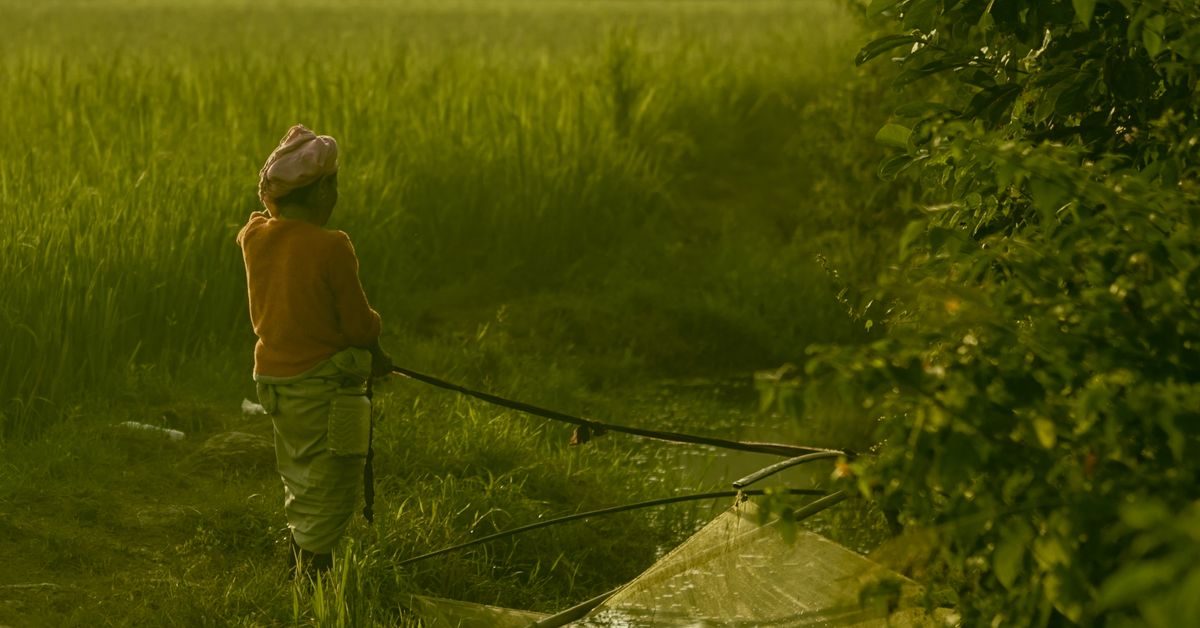
Kharif Season in India: Months, Crops, Rainfall and Sowing Dates
The kharif season is India’s main monsoon-fed cropping season. Farmers sow in June and July, when the southwest monsoon arrives, and harvest in September and October. Rice, maize, cotton, soybean, groundnut, tur and bajra are the headline crops. Because kharif depends on rain, a weak monsoon shows up quickly in sown area, yields and food prices.
This guide explains the kharif season months, the crops grown, the 2026-27 support prices, and how this year’s below-normal monsoon changed the picture.
Quick answer: The kharif season runs roughly from June to October. Sowing starts with the monsoon in June–July, and harvesting follows in September–October. Major kharif crops include paddy, maize, jowar, bajra, tur, moong, urad, soybean, groundnut, cotton and sugarcane.
Key takeaways
- Kharif sowing follows the monsoon onset; harvest comes after the rains retreat.
- Paddy is the biggest kharif crop by area, followed by oilseeds, pulses and cotton.
- The Cabinet raised the paddy (common) MSP to ₹2,441 per quintal for 2026-27.
- The 2026 monsoon ended at 87% of the long period average, the lowest since 2015.
- Rabi sowing now follows, so kharif harvest timing affects wheat and mustard planting.
सारांश (हिंदी): खरीफ सीज़न जून–जुलाई में मानसून के साथ शुरू होता है और सितंबर–अक्टूबर में कटाई होती है। धान, मक्का, कपास, सोयाबीन, मूंगफली, अरहर और बाजरा मुख्य फसलें हैं। इस साल मानसून सामान्य से लगभग 13% कम रहा।
Kharif season months in India
There is no single fixed date. The season shifts with the monsoon, which reaches Kerala around 1 June and covers the country by early July. Still, most states follow a similar pattern.
| Stage | Typical months | What happens |
|---|---|---|
| Land preparation | May to June | Ploughing, levelling, nursery beds for paddy |
| Sowing and transplanting | June to July | Farmers sow after the first good monsoon rain |
| Growth and weeding | July to September | Fertiliser, weeding and pest watch |
| Harvest | September to October | Early crops come first; paddy and cotton run later |
| Marketing and procurement | October to December | Mandi arrivals peak and government purchase begins |
Some crops stretch beyond these windows. Cotton picking and sugarcane harvest continue into winter. Check the crop calendar for crop-wise dates.
Kharif crops: the full list by group
Kharif crops grow in warm, wet weather and need high temperature plus enough rain at sowing. The table groups them and shows the 2026-27 minimum support price for each crop that has one.
| Group | Crop | MSP 2026-27 (₹/quintal) |
|---|---|---|
| Cereals | Paddy (common) | 2,441 |
| Cereals | Maize | 2,410 |
| Cereals | Bajra | 2,900 |
| Cereals | Jowar (hybrid) | 4,023 |
| Cereals | Ragi | 5,205 |
| Pulses | Tur (arhar) | 8,450 |
| Pulses | Moong | 8,780 |
| Pulses | Urad | 8,200 |
| Oilseeds | Soybean (yellow) | 5,708 |
| Oilseeds | Groundnut | 7,517 |
| Oilseeds | Sunflower seed | 8,343 |
| Oilseeds | Sesamum | 10,346 |
| Oilseeds | Nigerseed | 10,052 |
| Fibre | Cotton (medium staple) | 8,267 |
| Cash crops | Sugarcane, jute | Fair and remunerative price or separate jute MSP |
The full list, with last year’s rates, sits in our Kharif MSP 2026-27 guide. To compare crops side by side, try the MSP calculator.
Kharif season crops by region
Geography decides the crop mix. Punjab, Haryana, Uttar Pradesh, West Bengal, Odisha and the southern deltas lead in paddy. Maharashtra, Madhya Pradesh and Rajasthan dominate soybean and pulses. Gujarat and Maharashtra grow most of the cotton, while Rajasthan and Haryana lead in bajra.
Kharif season 2026: how the year is going
This year’s kharif season has tested farmers. The southwest monsoon arrived in Kerala on 4 June, three days late, and June rainfall ran at only 65% of normal. July recovered to 101%, but August slipped to 84% and September ended at 92%. The season closed at 87% of the long period average, or 759.4 mm against a normal of 868.6 mm.
| Crop group | 2026 area (lakh ha) | 2025 same date (lakh ha) | Change |
|---|---|---|---|
| Rice | 421.82 | 438.19 | −16.37 |
| Pulses | 117.13 | 115.30 | +1.84 |
| Coarse cereals | 181.39 | 182.48 | −1.09 |
| Oilseeds | 191.99 | 193.06 | −1.07 |
| Cotton | 109.17 | 109.86 | −0.69 |
| Total kharif | 1,086.31 | 1,104.00 | −17.69 |
These figures are provisional sown-area numbers as of 4 September 2026, from the Agriculture Ministry’s weekly progress report. Area is not output. Dry spells in Maharashtra, Karnataka, parts of Andhra Pradesh, Telangana and Rajasthan can still pull yields below what sown area suggests.
The ministry has also cut its 2026-27 foodgrain target to 373.93 million tonnes. Our Kharif Crops section will track the production estimates as they arrive.
Kharif season vs rabi season
Farmers often plan both seasons together, because the end of one is the start of the other. The table below shows the main differences.
| Feature | Kharif | Rabi |
|---|---|---|
| Sowing | June to July | October to December |
| Harvest | September to October | March to April |
| Water source | Monsoon rain | Irrigation and soil moisture |
| Key crops | Paddy, maize, cotton, soybean | Wheat, mustard, gram, barley |
| Weather risk | Weak or erratic monsoon | Heat in February and March |
For a side-by-side crop list, read our guide to kharif and rabi crops. Wheat buyers can track the market in our wheat rate today guide.
How farmers can manage the kharif season better
Good kharif planning starts before the first shower. These habits protect income in both good and weak monsoon years.
- Sow on moisture, not on the calendar. Wait for enough rain to wet the soil to a useful depth.
- Pick a variety that fits your rainfall. Short-duration seeds suit late or uncertain monsoons.
- Diversify. A mix of pulses, oilseeds and coarse cereals cushions a bad paddy year.
- Use soil-test advice. Balanced fertiliser saves money and protects yield. Try the fertilizer calculator for a starting estimate.
- Insure the crop. Enrol in crop insurance before the cut-off date in your state.
Common kharif season mistakes
Early sowing before the monsoon settles is the costliest error, because a dry spell can kill seedlings and force resowing. Over-irrigating paddy in water-short areas is another. Farmers also lose money by skipping seed treatment and waiting too long to weed.
Kharif season: what the next few weeks mean
The kharif season is ending, and the rabi crop decides the next price cycle. Harvest is finishing, mandi arrivals are rising, and farmers are moving into wheat, mustard and gram. Check the weather outlook, plan water use carefully, and compare mandi prices before you sell the kharif crop.
Return to the Harvest homepage for daily updates, and open Kisan Tools for calculators that help with costs and prices.
Data note: sown-area figures are provisional and come from the Agriculture Ministry’s weekly report for 4 September 2026. Monsoon figures come from the India Meteorological Department’s season summary. MSP figures come from the Cabinet decision of 13 May 2026. The Harvest is an independent information website and is not affiliated with any government body.
Kharif season: frequently asked questions
What is the kharif season?
The kharif season is India's monsoon-fed cropping season. Farmers sow in June and July and harvest in September and October. Paddy, maize, cotton, soybean, groundnut, tur and bajra are the main crops.
Which months are the kharif season?
Kharif runs roughly from June to October. Land preparation starts in May, sowing follows the monsoon in June and July, and harvest comes in September and October.
Which crops are grown in the kharif season?
Common kharif crops are paddy, maize, jowar, bajra, ragi, tur, moong, urad, soybean, groundnut, sunflower, sesamum, cotton, jute and sugarcane.
What is the difference between kharif and rabi crops?
Kharif crops are sown with the monsoon and harvested in autumn. Rabi crops are sown in October to December and harvested in March to April. Rabi crops such as wheat depend more on irrigation and winter temperatures.
What is the paddy MSP for the 2026-27 kharif season?
The Cabinet fixed the paddy MSP at ₹2,441 per quintal for common grade and ₹2,461 for grade A for 2026-27, up from ₹2,369 and ₹2,389.
How did the 2026 monsoon affect the kharif season?
The monsoon ended at 87% of the long period average, the lowest since 2015. Kharif area stayed close to last year overall, but rice area fell, and dry spells in several states raised concern about yields.
Why is the kharif season important for the economy?
Kharif crops supply most of India's rice, pulses, oilseeds and cotton. Their output affects food prices, rural incomes and demand for fertiliser, seeds and tractors.