Seasonal Fruits: Month-wise Fruit Calendar for India
Seasonal fruits are the fruits that ripen naturally in a given month, and in India that list changes almost every four to six weeks. Mangoes and litchis arrive in summer, jamun and plums with the first rains, apples and pomegranates in autumn, and oranges, guavas and strawberries in winter. Buying in season gives better taste, a lower price and fresher fruit, and it helps growers sell at peak demand.
This month-wise calendar shows what is in season across India, which regions supply each fruit, and how to buy and store fruit well. Months are approximate, because variety, altitude and weather shift the dates from state to state.
Quick answer: Summer (March to June) brings mango, watermelon, muskmelon, litchi and jackfruit. Monsoon (July to September) brings jamun, plum, pear, peach and early apple. Autumn (October to November) brings apple, pomegranate, custard apple and guava. Winter (December to February) brings orange, kinnow, strawberry, amla and ber. Banana and papaya are available nearly all year.
Key takeaways
- India has four broad fruit seasons: summer, monsoon, autumn and winter, with banana and papaya available most of the year.
- Peak supply is the best time to buy, since prices usually fall when arrivals are highest.
- Regional harvests overlap, so the same fruit can be in season in different states in different months.
- Stored fruit such as apple and pear is sold out of season but is not freshly ripened.
- Learn to spot unripe, old or artificially ripened fruit before you buy.
सारांश (हिंदी): गर्मियों में आम, तरबूज़, खरबूज़ा और लीची; बरसात में जामुन, आलूबुखारा, नाशपाती और आड़ू; पतझड़ में सेब, अनार, सीताफल और अमरूद; सर्दियों में संतरा, किन्नू, स्ट्रॉबेरी, आंवला और बेर मौसमी फल हैं। केला और पपीता लगभग पूरे साल मिलते हैं। मौसम में फल खरीदना सस्ता और ताज़ा रहता है।
Seasonal fruits calendar: month by month
The table lists the fruits that are usually at or near their best in each month. Use it as a guide, not as a promise, and check what your local market is actually selling.
| Month | Fruits usually in season |
|---|---|
| January | Orange, kinnow, mosambi, guava, strawberry, amla, ber, pomegranate, stored apple and pear |
| February | Orange, kinnow, strawberry, ber, guava, early grapes, papaya |
| March | Grapes, early watermelon, muskmelon, papaya, pineapple, banana |
| April | Watermelon, muskmelon, early mango, grapes, pineapple, jackfruit, sapota |
| May | Mango, litchi, watermelon, muskmelon, jackfruit, phalsa, bael |
| June | Mango, litchi, jamun, plum, peach, jackfruit, cherry and apricot in hill states |
| July | Mango (late varieties), jamun, plum, peach, pear, early apple, papaya |
| August | Apple, pear, plum, guava, pomegranate, papaya, banana |
| September | Apple, pear, guava, pomegranate, custard apple, sapota, banana |
| October | Apple, pomegranate, custard apple, guava, mosambi, early orange, sapota |
| November | Orange, mosambi, guava, pomegranate, amla, sapota, early strawberry, apple, pear |
| December | Orange, kinnow (early), guava, strawberry, amla, ber, pomegranate, apple, pear |
Banana and papaya are grown across many states and reach markets in almost every month, so they are not tied to one season.
Summer seasonal fruits (March to June)
Summer is the biggest fruit season in volume. Heat ripens mango and litchi, and water-rich fruits help people cope with high temperatures.
| Fruit | Hindi name | Approximate peak | Known growing regions |
|---|---|---|---|
| Mango | Aam | April to July, depending on variety | Uttar Pradesh, Maharashtra, Andhra Pradesh, Gujarat, Bihar |
| Watermelon | Tarbooz | March to June | Uttar Pradesh, Karnataka, Odisha, Rajasthan |
| Muskmelon | Kharbooja | March to June | Uttar Pradesh, Punjab, Haryana, Rajasthan |
| Litchi | Leechi | May to June | Bihar, West Bengal, Uttarakhand, Punjab |
| Jackfruit | Kathal | April to July | Kerala, Karnataka, Odisha, West Bengal |
| Pineapple | Ananas | March to June | Assam, Kerala, West Bengal, North-East states |
Seasonal fruits in the early monsoon (June to August)
The first rains bring jamun, plum, peach and pear, mostly from hill and sub-hill areas. Jamun is short-lived and does not store well, so buy small amounts. Hill states such as Himachal Pradesh and Jammu and Kashmir start sending stone fruits and early apples to plains markets in this period.
Autumn seasonal fruits (September to November)
Autumn is apple season in the north and pomegranate season in the west and south. Custard apple and guava also peak, and the first citrus arrives toward the end of the season.
| Fruit | Hindi name | Approximate peak | Known growing regions |
|---|---|---|---|
| Apple | Seb | August to November harvest; sold from storage afterward | Jammu and Kashmir, Himachal Pradesh, Uttarakhand |
| Pomegranate | Anar | Several crops a year; autumn and winter harvests are common | Maharashtra, Karnataka, Gujarat, Rajasthan |
| Custard apple | Sitaphal | September to November | Maharashtra, Gujarat, Rajasthan, Andhra Pradesh |
| Guava | Amrood | Monsoon and winter crops | Uttar Pradesh, Madhya Pradesh, Gujarat, Bihar |
| Sapota | Chikoo | Long season, with peaks in winter and summer | Gujarat, Karnataka, Maharashtra, Tamil Nadu |
Winter seasonal fruits (December to February)
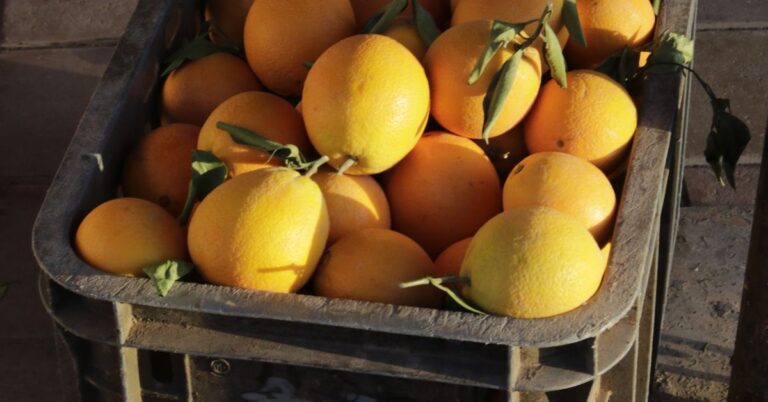
Citrus rules the cold months. Nagpur oranges, kinnow, mosambi and the sweet-sour amla fill markets, and strawberries arrive from the cooler hill areas. For a full list with Hindi names and buying tips, read our detailed guide to winter fruits in India.
Fruits that are in season almost all year
- Banana (kela): Grown in many states, with supply peaking in different months in different regions.
- Papaya (papita): Fruits through most of the year, though winter fruit grows slower and ripens later.
- Coconut (nariyal): Available year-round from coastal states.
Why seasonal fruits cost less
When a fruit is at peak harvest, markets receive more of it than they need on a given day, so wholesale prices fall. Out-of-season fruit comes from storage or from far away, which adds cost. A simple rule helps: buy a fruit within a few weeks of its peak and avoid it at the start and end of its season, when supply is thin.
| Stage of season | Supply | Typical buyer experience |
|---|---|---|
| Start | Low | Higher price, smaller choice, sometimes unripe fruit |
| Peak | High | Lower price, best taste, more variety |
| End | Falling | Prices rise again, quality can drop |
| Off-season | Stored or imported | Higher price, less fresh |
How to choose good seasonal fruits
- Buy local. Fruit grown nearby travels less and arrives fresher.
- Use your senses. Look for even colour, a pleasant smell and firmness appropriate to the fruit.
- Check weight. Juicy fruit feels heavy for its size.
- Look for damage. Avoid soft spots, mould, cracks and shrivelled skin.
- Buy by weight, not by piece. Fruit sizes vary a lot.
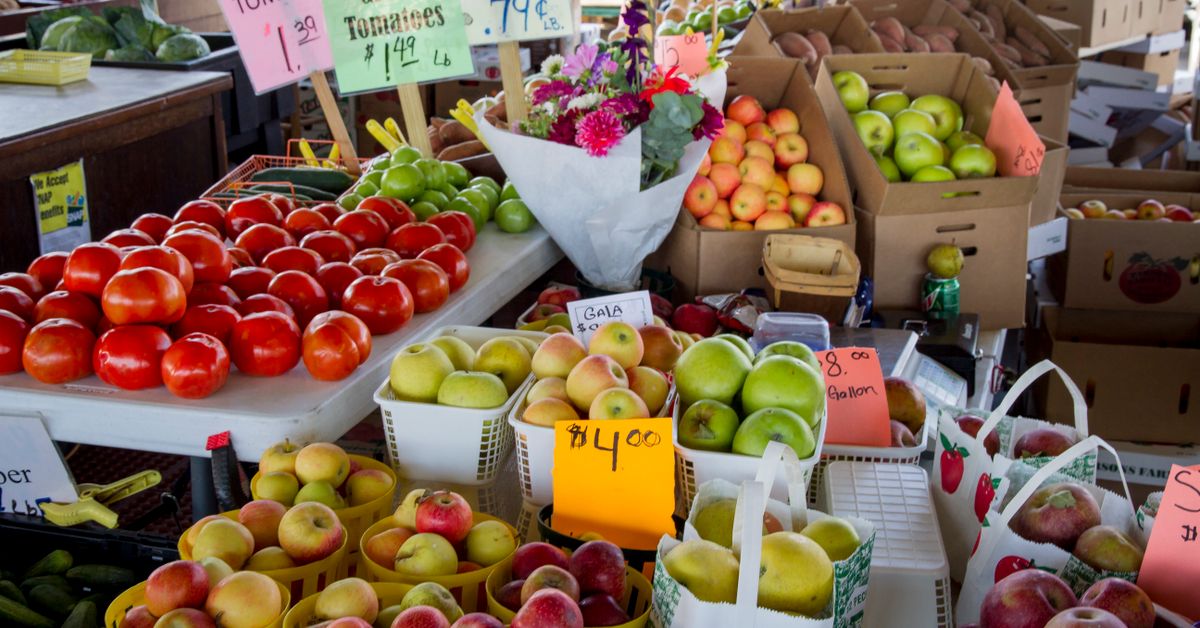
- Compare markets. Wholesale and farmers’ markets are often cheaper than shops.
Spotting artificially ripened fruit
Food safety rules in India prohibit ripening fruit with calcium carbide. Naturally ripened fruit usually has uneven colour, a stronger smell and some soft patches, while fruit that looks perfectly uniform and yet tastes bland or sour may have been forced. If you are unsure, buy from sellers you trust, wash fruit well and report suspected carbide use to the local food safety authority.
How to store seasonal fruits
- Ripen at room temperature: Mango, papaya, banana, sapota, guava and custard apple ripen best outside the fridge. Move them to the fridge once ripe.
- Keep citrus cool: Oranges and kinnow last longer in a cool, airy place or in the fridge.
- Do not wash before storing: Wet fruit rots faster. Wash just before eating.
- Separate fast ripeners: Bananas and mangoes release gas that speeds up the ripening of nearby fruit.
- Eat delicate fruit first: Jamun, strawberry and litchi spoil in a day or two.
What seasonal fruits mean for growers
For orchard owners, timing decides income. Early-season fruit often earns a premium, while a glut at the peak can push down prices. Growers can protect income by grading fruit, using cold storage where it exists, and selling to more than one market. Weather matters a great deal, because heat waves, hail, fog and unseasonal rain can damage flowers and fruit. See how weather shaped this year’s farm outlook in our monsoon update, and plan field crops with the crop calendar.
For daily rates of major crops, check Mandi Bhav Today. Our kharif season guide explains the main crop season that runs alongside the summer and monsoon fruit harvests.
Common mistakes when buying seasonal fruits
- Paying a premium price at the very start of the season.
- Buying a large quantity of a fast-spoiling fruit such as jamun or litchi.
- Judging ripeness only by colour.
- Washing and storing fruit wet.
- Buying out-of-season fruit and expecting peak taste.
Seasonal fruits: your quick plan
Keep the monthly table handy, buy what is at peak in your region, and choose local fruit whenever possible. Buy small amounts of delicate fruit, store each type properly, and compare two or three markets before you pay.
Explore every fruit guide in our Seasonal Fruits section, or return to the Harvest homepage.
Data note: months and growing regions are approximate and are based on horticulture board guidance and common market patterns. Dates vary by state, variety and weather. The Harvest is an independent information website and is not affiliated with any government body.
Seasonal fruits: frequently asked questions
What are seasonal fruits?
Seasonal fruits are fruits that ripen naturally in a particular month or season. In India they change every four to six weeks, such as mango in summer, apple in autumn and orange in winter.
Which fruits are in season in summer in India?
Mango, watermelon, muskmelon, litchi, jackfruit and pineapple are the main summer fruits, roughly from March to June.
Which fruits are in season in winter in India?
Orange, kinnow, mosambi, guava, strawberry, amla and ber are the main winter fruits, roughly from December to February.
Which fruits are available all year in India?
Banana and papaya reach markets in almost every month, and coconut is available year-round from coastal states.
Why are seasonal fruits cheaper?
At peak harvest, markets receive more fruit than they need, so wholesale prices fall. Off-season fruit comes from storage or from far away, which adds cost.
How can I tell if fruit was ripened artificially?
Food safety rules prohibit ripening with calcium carbide. Naturally ripened fruit usually has uneven colour and a stronger smell. If unsure, buy from trusted sellers, wash well and report suspected carbide use to the food safety authority.
Are apples a seasonal fruit in winter?
Apples are harvested from about August to November. They are sold through winter from cold storage, so they are available but not freshly ripened.